
Common Signs to Look For
Have you ever had someone say “fine” but clearly not mean it? Or maybe they suddenly stopped replying, acted confused about something you had already agreed on, or made you feel guilty for asking for something reasonable?
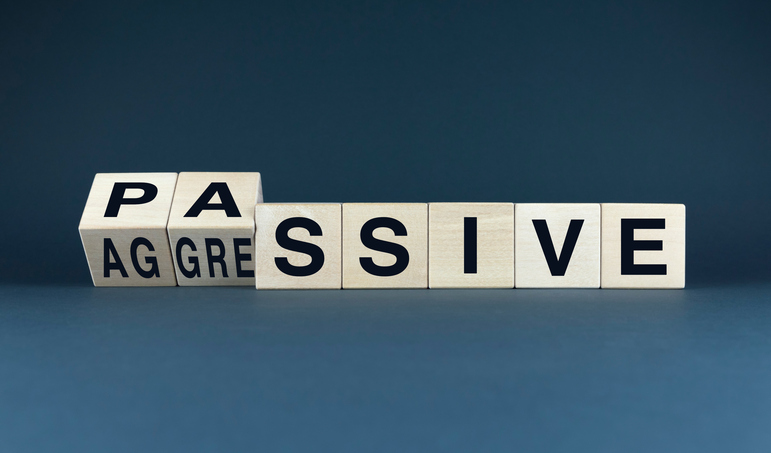
That’s often called passive-aggressive behaviour.
Instead of saying how they really feel openly and honestly, people use indirect ways to get control, avoid responsibility, or pressure others. It can happen in friendships, family life, school, dating, or online.
Here are some common signs to look out for:
Fake Agreement
Someone pretends to agree with you, but later secretly works against the plan.
Example: “Of course I’ll help,” but then they never actually do.
Delaying on Purpose
They take forever to reply, “forget” important things, or miss deadlines to make you frustrated enough to give in.
Playing Dumb
They act confused about things you have already discussed so they can avoid responsibility or change the agreement.
Guilt-Tripping
They agree to something but make you feel bad about it.
Example: “I guess I’ll have to do it then, even though I’m exhausted and nobody appreciates me.”
Ignoring You
After a disagreement, they stop texting or talking so you feel forced to chase after them.
Acting Like the Victim
They make it seem like everything is unfair to them so you feel responsible for fixing the problem.
Changing the Subject
Whenever you bring up the real issue, they suddenly talk about something else — especially emotionally charged topics that distract from the conversation.
“Forgetting” Things
They conveniently forget promises, plans, or details when it benefits them.
Indirect Anger
Instead of being honest, they use sarcasm, sulking, eye-rolling, or rude little comments.
Why Do People Do This?
Usually because being direct feels scary, uncomfortable, or risky. Some people never learned healthy communication skills in younger life, while others use passive-aggressive behaviour to gain control without looking openly mean.
There’s always a reason for it, but it can still hurt relationships and make people feel stressed or confused.
What Can You Do If You Experience This?
✅ Stay calm and don’t get pulled into drama
✅ Find a safe person to talk with about what has happened
✅ Be clear and direct about what you noticed
✅ Set boundaries if someone keeps treating you unfairly
✅ Don’t be tempted to automatically take responsibility for fixing everything
✅ Remember: healthy relationships involve honest communication. It’s not always easy!
Passive-aggressive behaviour can sometimes be hard to spot because it’s indirect. Once you recognise the signs, it becomes easier to protect your boundaries and communicate more confidently. Our team of Emotional Logic coaches at MAST are experts at helping people of all ages improve their bargaining skills so contact us today if you need our help.
Disclaimer: The views and opinions expressed in blog posts are solely those of the individual author and do not necessarily represent those of Plymouth Learning Partnership CIC. The content is provided for general information and educational purposes only and should not be relied upon as professional or legal advice. Plymouth Learning Partnership CIC accepts no responsibility or liability for any errors, omissions, or actions taken in reliance on this content. The individual author is responsible for ensuring that any third-party material used (including text, images, and media) does not infringe copyright. Plymouth Learning Partnership CIC does not accept liability for any unauthorised use of copyrighted material by the individual author.