
How our own Parenting Experiences can Shape our Children
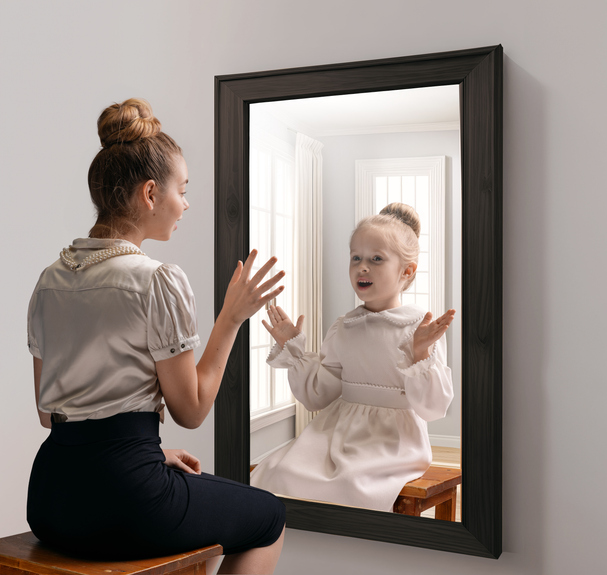
Parenting is often described as a privilege as well as one of life's greatest journeys, but it is also one of the most reflective. Whether we realise it or not, the way we were parented has an influence on how we raise our own children. Our childhood experiences, family values, emotional memories and learned behaviours all play a role in shaping the parents we eventually become.
From the moment we welcome a child into the world, we begin drawing upon our own experiences. For some, this means recreating the warmth, support, and encouragement they received growing up. Positive parenting experiences can provide a strong foundation, helping parents develop confidence, empathy, and healthy communication skills. When children are raised in nurturing environments, they are more likely to feel secure, valued, and understood.
However, parenting is not always about repeating the past. Many parents consciously choose a different path from the one they experienced as children. Those who grew up with strict discipline, emotional distance or limited support may strive to create a more open and connected relationship with their own children. In this way, parenting becomes an opportunity not only to guide and influence the next generation, but also to heal and grow from previous experiences.
Research consistently shows that children learn more from what they observe than from what they are told. Parents serve as role models, demonstrating how to manage emotions, resolve conflicts, communicate with others and cope with challenges. If a parent reacts calmly during stressful situations, children are more likely to develop healthy emotional regulation skills. In contrast, unresolved stress, anxiety or negative patterns can unintentionally be passed down if left unaddressed.
This does not mean parents need to be perfect. In fact, one of the most valuable lessons a parent can teach is how to acknowledge mistakes and learn from them. Children benefit from seeing adults take responsibility, apologise when necessary as well as demonstrating resilience in the moments of difficulty. These behaviours help foster emotional intelligence, self-awareness as well as confidence.
Self-reflection is therefore an important part of effective parenting. Taking time to consider questions such as, "how was conflict handled in my family?" or "what messages did I receive about emotions, success, and relationships?" can help parents identify patterns that may influence their parenting style. By understanding these influences, parents can make more intentional choices about the values and behaviours they wish to pass on.
Within our team of Family Learning Mentors, we are often privileged to walk alongside parents as they navigate the challenges and rewards of raising children. We strive to build a relational approach with parents and carers where they feel understood and heard in a non-judgemental way.
Time and time again, we see the positive impact that self-reflection and understanding can have on family relationships. We appreciate parenting is a continuous learning journey, and with the right support, every parent has the ability to build strong, nurturing connections that will help their children thrive.
Parenting is ultimately a balance between the past and the present. While our own experiences shape us, they do not define us.
Disclaimer: The views and opinions expressed in blog posts are solely those of the individual author and do not necessarily represent those of Plymouth Learning Partnership CIC. The content is provided for general information and educational purposes only and should not be relied upon as professional or legal advice. Plymouth Learning Partnership CIC accepts no responsibility or liability for any errors, omissions, or actions taken in reliance on this content. The individual author is responsible for ensuring that any third-party material used (including text, images, and media) does not infringe copyright. Plymouth Learning Partnership CIC does not accept liability for any unauthorised use of copyrighted material by the individual author.